
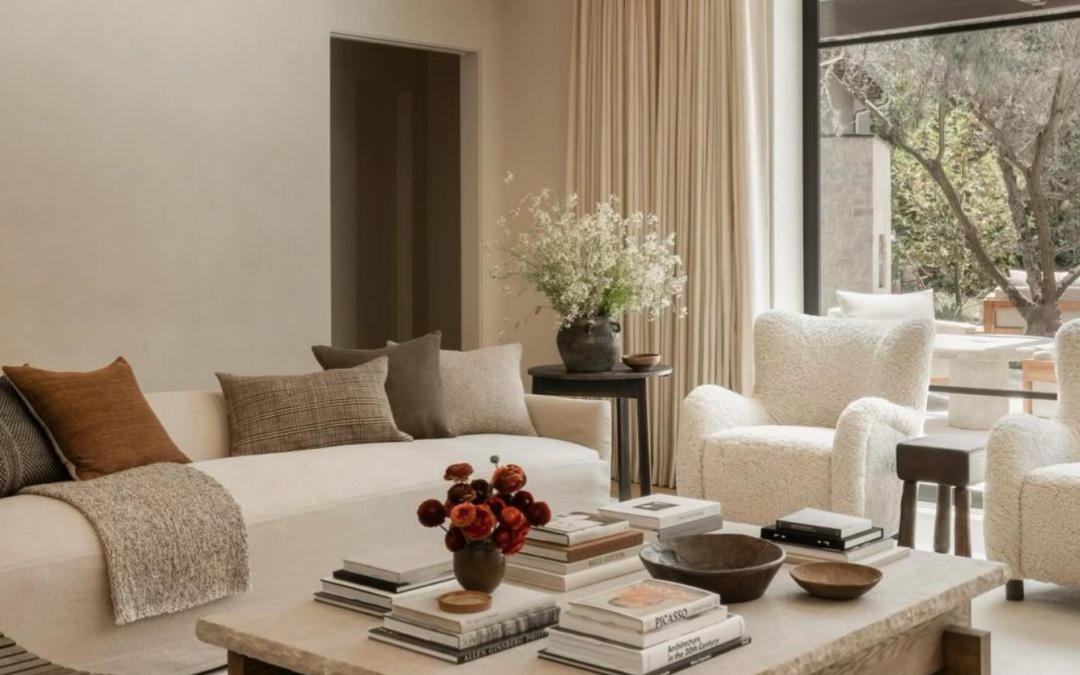
Cover Image: Amber Interiors
Decorating your home goes beyond selecting the right furniture, paint colors, or lighting. It’s the smaller, more personal details that truly make a space feel like home. Decorating with objects is a great way to infuse personality and style into your interiors, creating a thoughtfully curated look that reflects your taste. Whether it’s a stack of books, an artisanal vase, or a piece of sculptural art, using objects in your decor can elevate your space, adding warmth and character.
If you admire designers like Shea McGee, Amber Lewis, and Light & Dwell, then you’re probably drawn to an effortlessly chic style that’s layered, intentional, and welcoming. Let’s dive into the art of decorating with objects, exploring tips on how to select, arrange, and style these elements to achieve that coveted designer look.
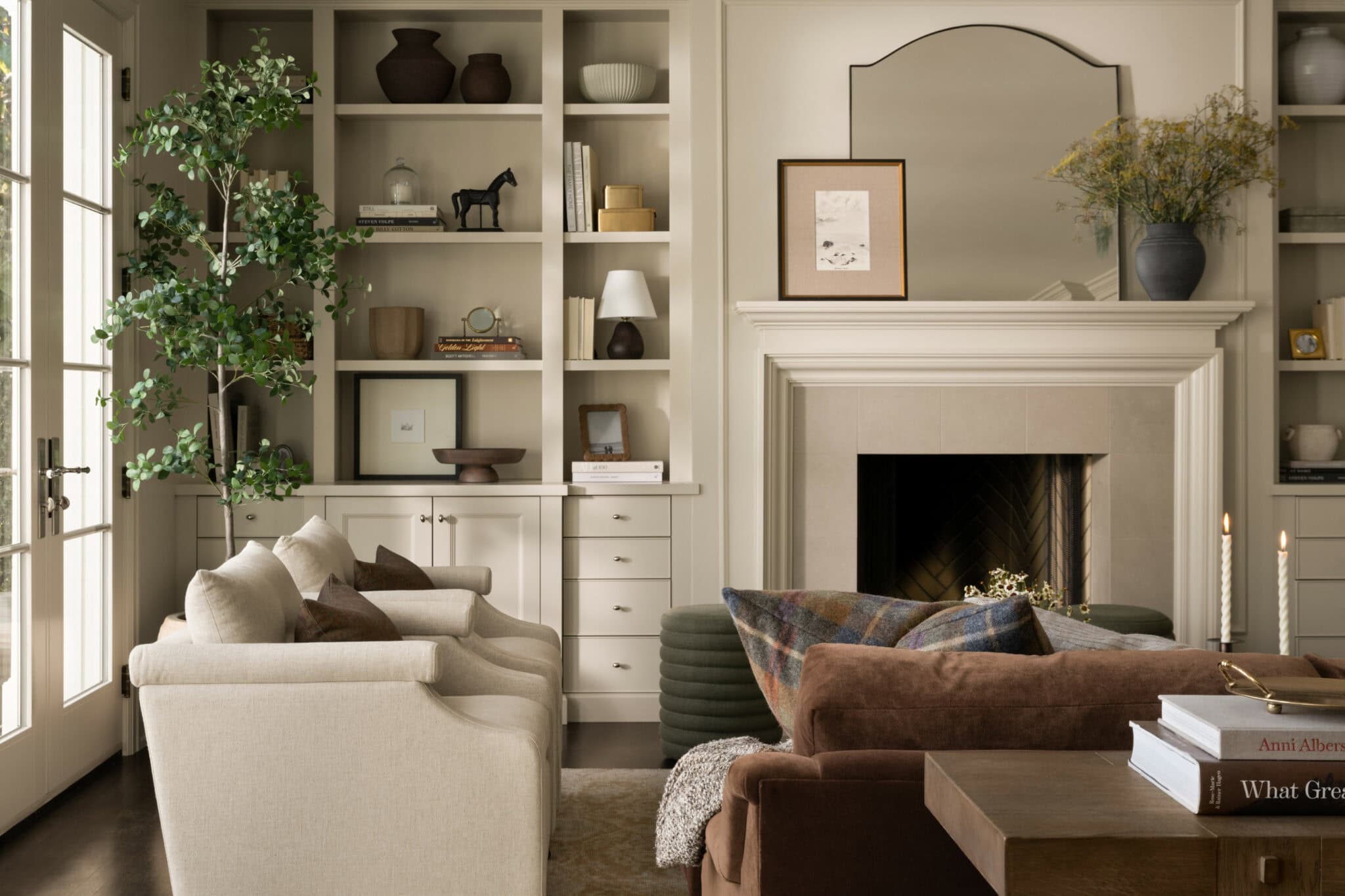
Source: Studio McGee
1. Start with a Theme or Style
Before you start decorating, it helps to establish a theme or style that fits the overall design of your home. This doesn’t mean you need a rigid color scheme or a strict style label, but having a general direction can help guide your choices. For example, if your style leans more towards a modern organic look like Amber Interiors, you might prioritize natural materials, earthy tones, and handmade objects. If you’re channeling Studio McGee’s aesthetic, you may incorporate a mix of classic and contemporary elements with clean lines and elegant details.
Pro Tip: A loose theme, such as “collected and curated” or “natural and minimal,” gives you flexibility while still maintaining cohesion throughout your space.
2. Layering for Depth and Interest
The key to styling with objects is layering. Layering involves placing objects of different heights, textures, and sizes together to create depth and visual interest. A flat arrangement of items at the same height can look dull, so mix it up! For example, place a stack of books on a coffee table, and top them with a small decorative bowl or candle. Nearby, you could have a taller vase with fresh greenery. This creates varying levels, drawing the eye up and down and adding dimension to the display.
Tips for Layering:
- Use different heights: Combine short, medium, and tall objects to create a balanced arrangement.
- Mix textures: Combine materials like wood, glass, ceramics, and metal for contrast.
- Odd numbers work best: Styling objects in groups of three or five often looks more dynamic than even numbers.
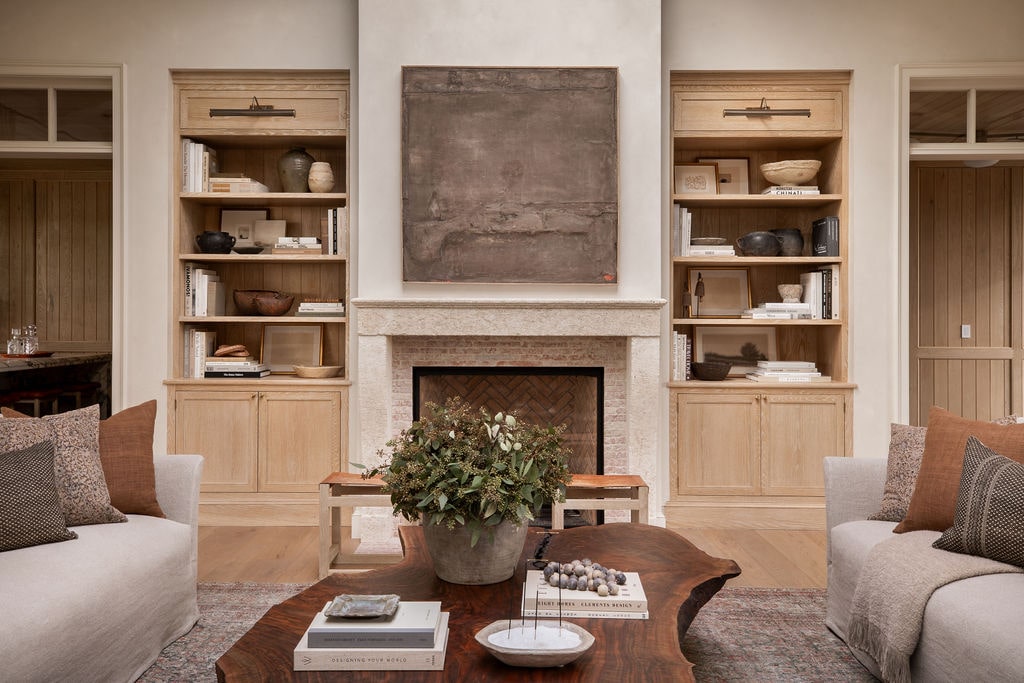
Source: Amber Interiors
3. Mix Old and New
Combining old and new objects is a signature approach used by designers like Light & Dwell, who blend vintage finds with modern pieces to create a unique, lived-in feel. Adding antique or vintage objects can bring a sense of history to your space, while contemporary items keep it fresh and up-to-date.
How to Do It:
- Display vintage pottery with modern ceramics: The contrast in shapes, colors, and textures will give your shelves a more curated look.
- Add a touch of patina: Incorporate objects that have a bit of age or wear, such as an old picture frame, a vintage mirror, or a brass candlestick.
- Mix in some handmade items: Handcrafted objects, such as woven baskets or hand-thrown pottery, bring a sense of authenticity and uniqueness to your space.
4. Create Visual Balance
When arranging objects, it’s important to strike a balance. You don’t want one side of a shelf, console table, or mantel to feel heavier than the other. Visual balance doesn’t necessarily mean symmetry, but rather a distribution of weight in a way that feels even. For example, if you place a tall vase on one side of a mantel, you can balance it out by grouping two smaller objects, such as a candle and a small sculpture, on the other side.
Balancing Techniques:
- Use symmetry in some areas and asymmetry in others: Symmetrical arrangements can feel formal, while asymmetrical groupings offer a more relaxed vibe.
- Counterbalance large objects with multiple smaller ones: This trick helps create a sense of proportion without the need for matching items.
- Keep color in mind: Distribute colors evenly across the space to avoid one area feeling too bold or heavy.

Source: Mindy Gayer Design
5. Think About Texture
Texture plays a major role in how a space feels. Mixing different textures within your decorative objects will add richness to the room. A space filled with only smooth or glossy items may appear flat, while a combination of materials like wood, metal, woven fabrics, and glass will make the room come alive.
Ideas for Incorporating Texture:
- Add woven baskets for natural texture: Use them to store throws or magazines while adding a tactile element to your decor.
- Mix matte and shiny finishes: For example, pair a matte ceramic vase with a shiny metal tray.
- Use textiles: Drape a textured blanket over a chair or add a soft cushion to a bench to soften the look.
6. Play with Scale
Don’t be afraid to experiment with different scales when decorating with objects. Mixing large, statement pieces with smaller accents will add variety and make the arrangement feel dynamic. This technique is particularly effective on shelves, mantels, or coffee tables where you want to create a visually interesting display.
Examples of Playing with Scale:
- Pair a large sculpture with smaller items: The smaller objects can help support and accentuate the larger piece.
- Use oversized artwork or mirrors: These can act as anchors, providing a backdrop for smaller decorative objects.
- Incorporate small-scale items in odd places: Tuck a tiny vase or figurine among larger books for an unexpected touch.
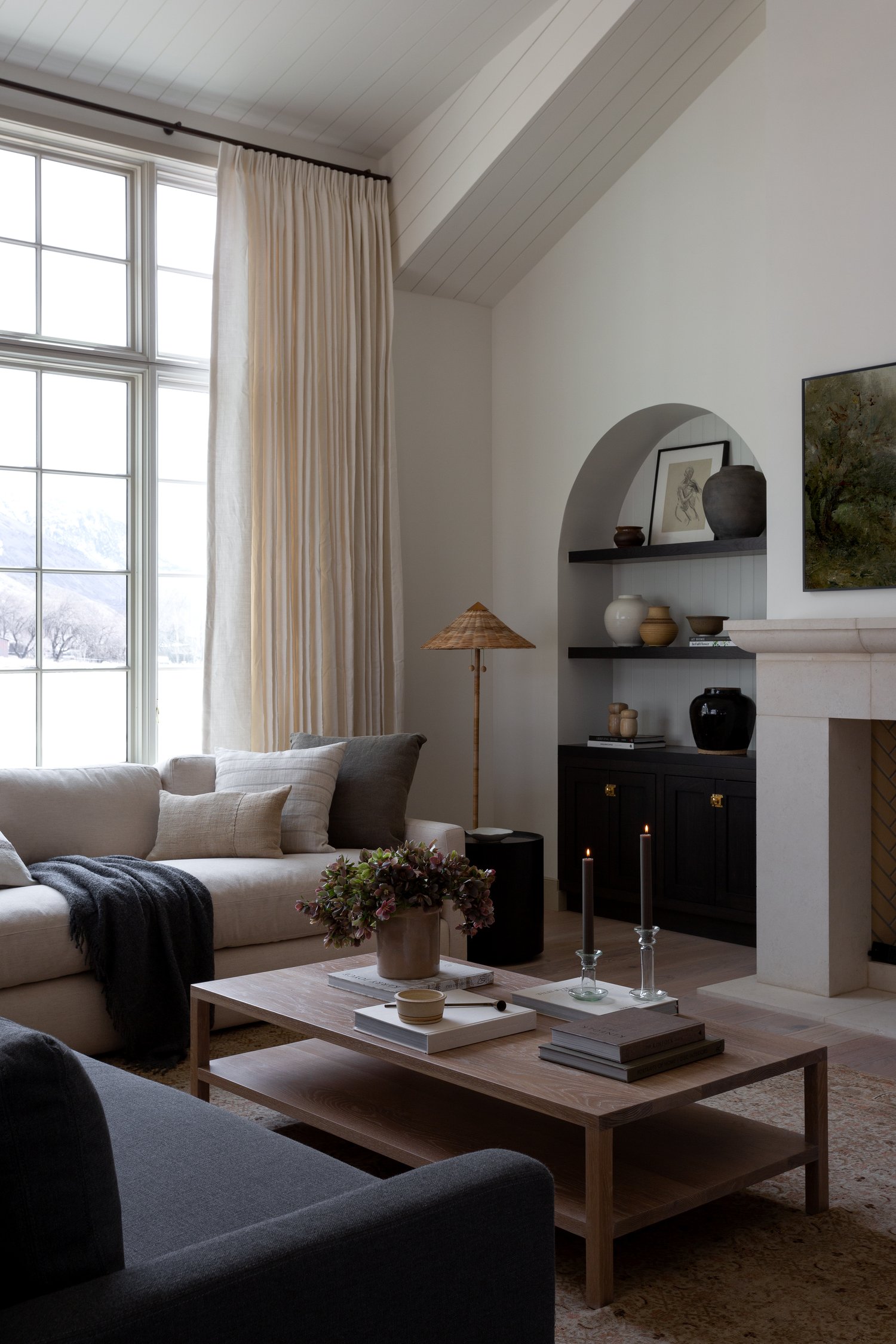
Source: Light and Dwell
7. Don’t Overcrowd the Space
While it can be tempting to fill every inch of a shelf or tabletop, less is often more. Give objects room to breathe, allowing each piece to stand out. Negative space, or the empty space around objects, is just as important as the objects themselves. It helps prevent the room from feeling cluttered and allows you to appreciate each item in your arrangement.
Tips for Avoiding Clutter:
- Edit your collection: Rotate decorative objects every few months to keep the look fresh without overcrowding.
- Use trays or shallow bowls to group items together: This keeps objects from looking scattered and gives them a designated spot.
- Step back and assess: If something feels off, remove an item or two and see how the space changes.
8. Use Books as Decor
Books are a designer’s best friend when it comes to decorating with objects. They can be used to add height to an arrangement, fill empty shelves, or add a pop of color. Coffee table books with beautiful covers can also serve as conversation starters.
Ways to Style with Books:
- Stack them horizontally: Use a few books to add height to smaller objects, such as a decorative bowl or sculpture.
- Line them up vertically: Combine vertically stacked books with horizontal stacks for variety.
- Use books as color accents: Choose books with spines that complement your color palette.
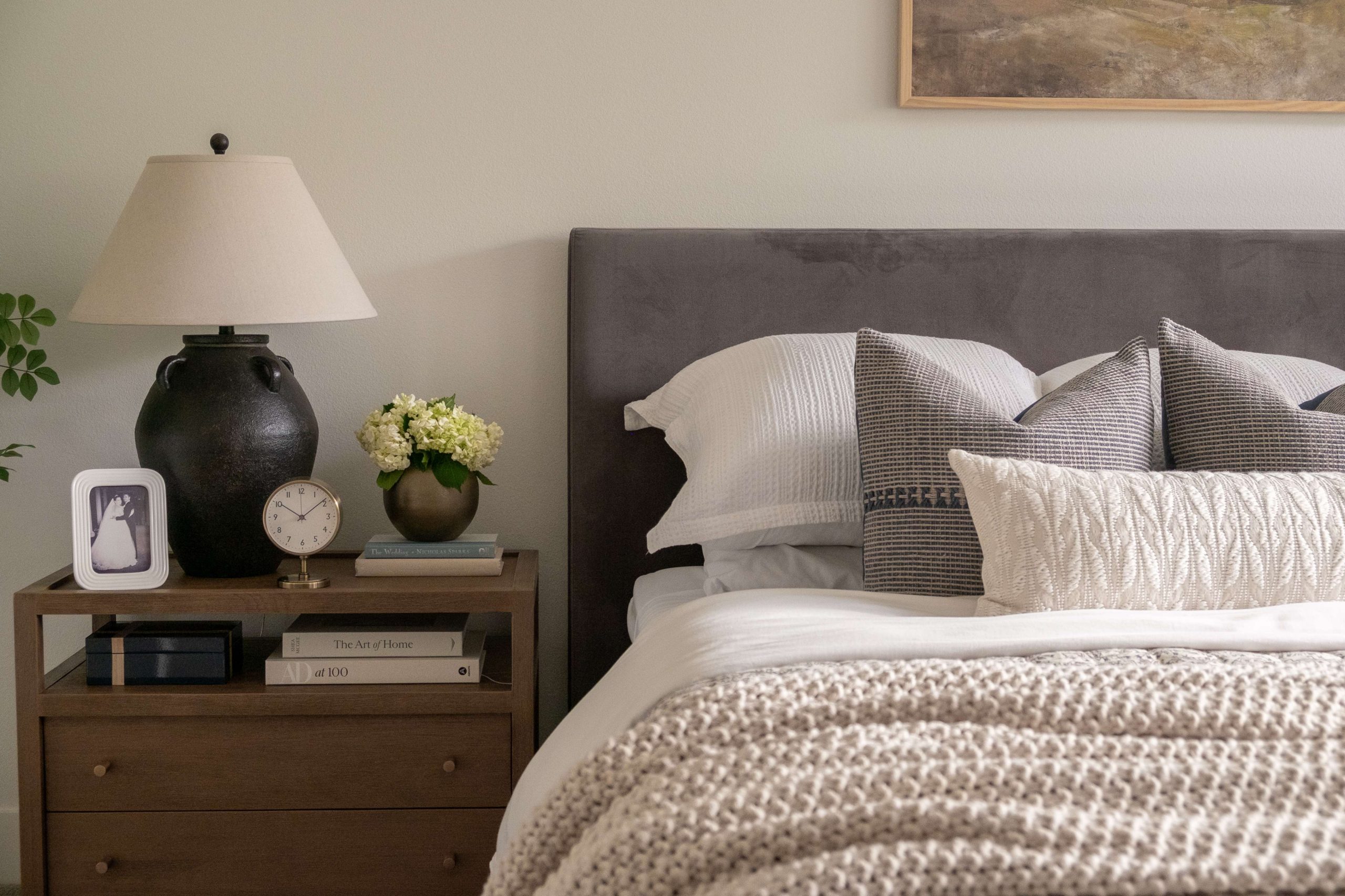
Source: The Nested Method
9. Personalize the Space
Your home should tell a story about you and your life, so don’t be afraid to include objects that hold personal significance. These items can be anything from travel souvenirs to family heirlooms. The goal is to create a space that feels uniquely yours.
Ideas for Personalization:
- Incorporate family photos: Use stylish frames or create a gallery wall with a mix of personal and art prints.
- Display souvenirs from travels: Showcase items that have meaning, such as a handmade bowl from a market or a small sculpture from a trip.
- Use heirlooms or keepsakes: Including meaningful items can give your decor a one-of-a-kind quality.
10. Update Seasonally
To keep your home feeling fresh, switch out decorative objects seasonally. This doesn’t mean you have to redecorate entirely, but you can swap out a few items here and there to reflect the changing seasons. For example, in the fall, you might add warmer-toned objects or textured blankets, while in the spring, you could incorporate lighter colors and fresh greenery.
Seasonal Decorating Tips:
- Use natural elements: In the fall, add a bowl of pinecones; in the spring, display a vase of fresh flowers.
- Change out textiles: Switch pillow covers, throws, or rugs to match the season.
- Rotate artwork: Swap out prints or paintings for pieces that reflect the time of year.
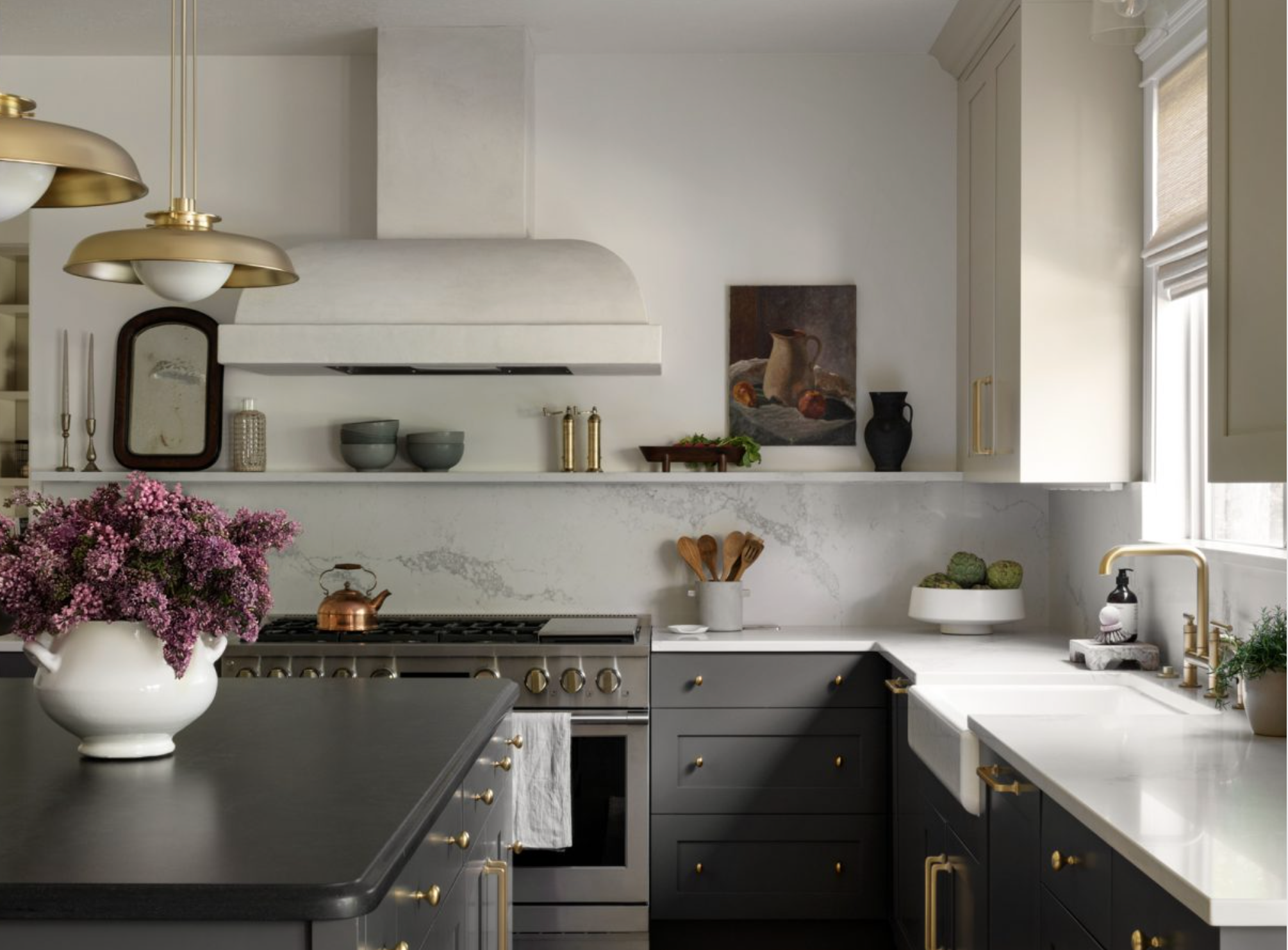
Source: Studio McGee
Decorating with objects is a fun and creative process that allows you to put your unique stamp on your home. By mixing styles, layering textures, playing with scale, and adding personal touches, you can create a thoughtfully curated space that feels inviting and stylish. Whether you draw inspiration from McGee and Co., Amber Interiors, or Light & Dwell, remember that the key to great decorating is finding a balance that feels authentic to you. So start styling, and let your home tell its story!
Talk to you later, friends!

PS Do you have a favorite shelfie or display of objects in your home? Share a photo with us! Tag us @thestillinterior
Is your SPACE ready for a CHANGE?
The Still Interior is here to help. We will put methods in place to keep your home looking beautiful, and most importantly functional for your lifestyle.