
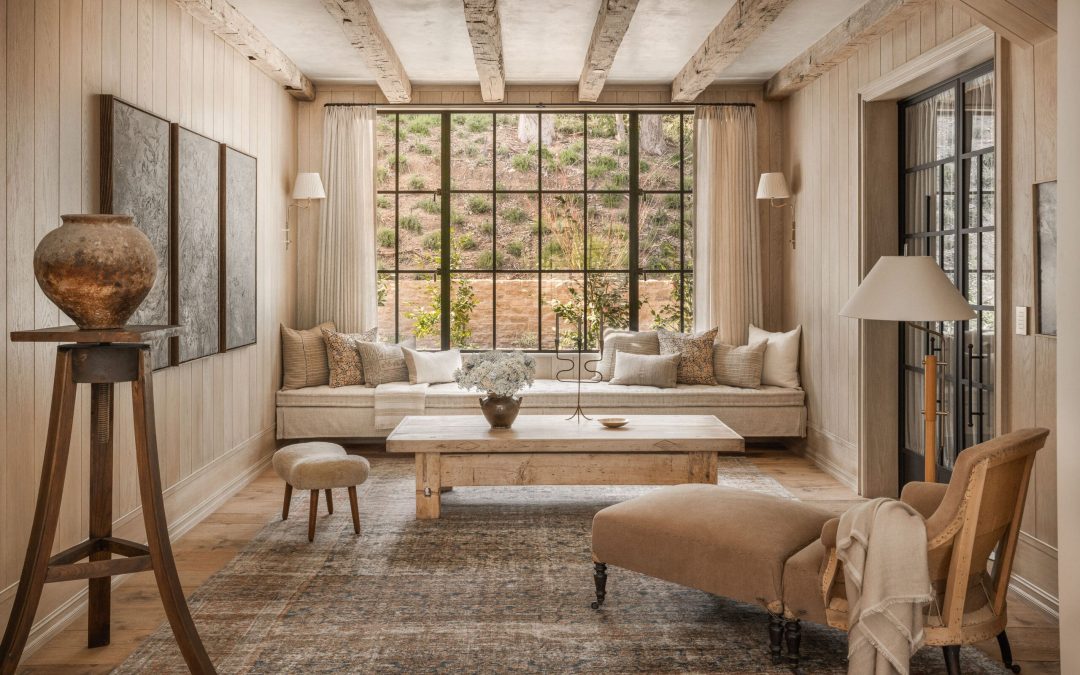
When it comes to interior design, texture and depth are essential elements that elevate a space from merely functional to visually captivating. One of the most effective ways to introduce texture and dimension into your home is by incorporating natural materials. These materials bring not only beauty and character but also a sense of warmth and authenticity that mass-produced alternatives simply can’t replicate.
Natural materials like wood, stone, linen, and cork have an inherent richness that can transform a room, making it feel more inviting and grounded. Whether you’re designing a cozy living room, a serene bedroom, or a dynamic kitchen, using natural materials strategically can help you create a space that feels layered, nuanced, and full of life.
In this journal post, we’ll explore how you can use natural materials to add texture and depth to your interior design. We’ll cover a range of materials—from wood and stone to fabrics and greenery—and provide practical tips on how to style them to create a more immersive and visually compelling home.
Source: Amber Interior Design
Why Texture and Depth Matter in Interior Design
Before diving into specific materials, it’s important to understand why texture and depth are so vital to interior design. At its core, texture adds a tactile quality to a room. It makes surfaces feel interesting to the touch, invites interaction, and draws the eye to certain areas. Depth, on the other hand, refers to the visual layers within a space—different elements that seem to recede or come forward, creating a sense of dimension and movement.
Without texture and depth, rooms can feel flat and lifeless, lacking the warmth and personality that make a space feel truly “lived in.” The beauty of natural materials is that they bring both of these elements into play: they have varied surfaces that catch the light in different ways and create dynamic contrasts between smooth, rough, and woven textures. By thoughtfully layering these materials, you can build a multi-dimensional space that feels engaging and full of character.
Now, let’s dive into some of the most impactful natural materials and explore how to incorporate them into your home to add texture and depth.
Wood: The Ultimate Textural Material
Wood is an incredibly versatile and timeless natural material that can be used in a variety of ways to create texture and depth. Whether you opt for polished oak, raw reclaimed wood, or sleek bamboo, wood adds warmth and depth to any space.
Wood Flooring and Wall Panels
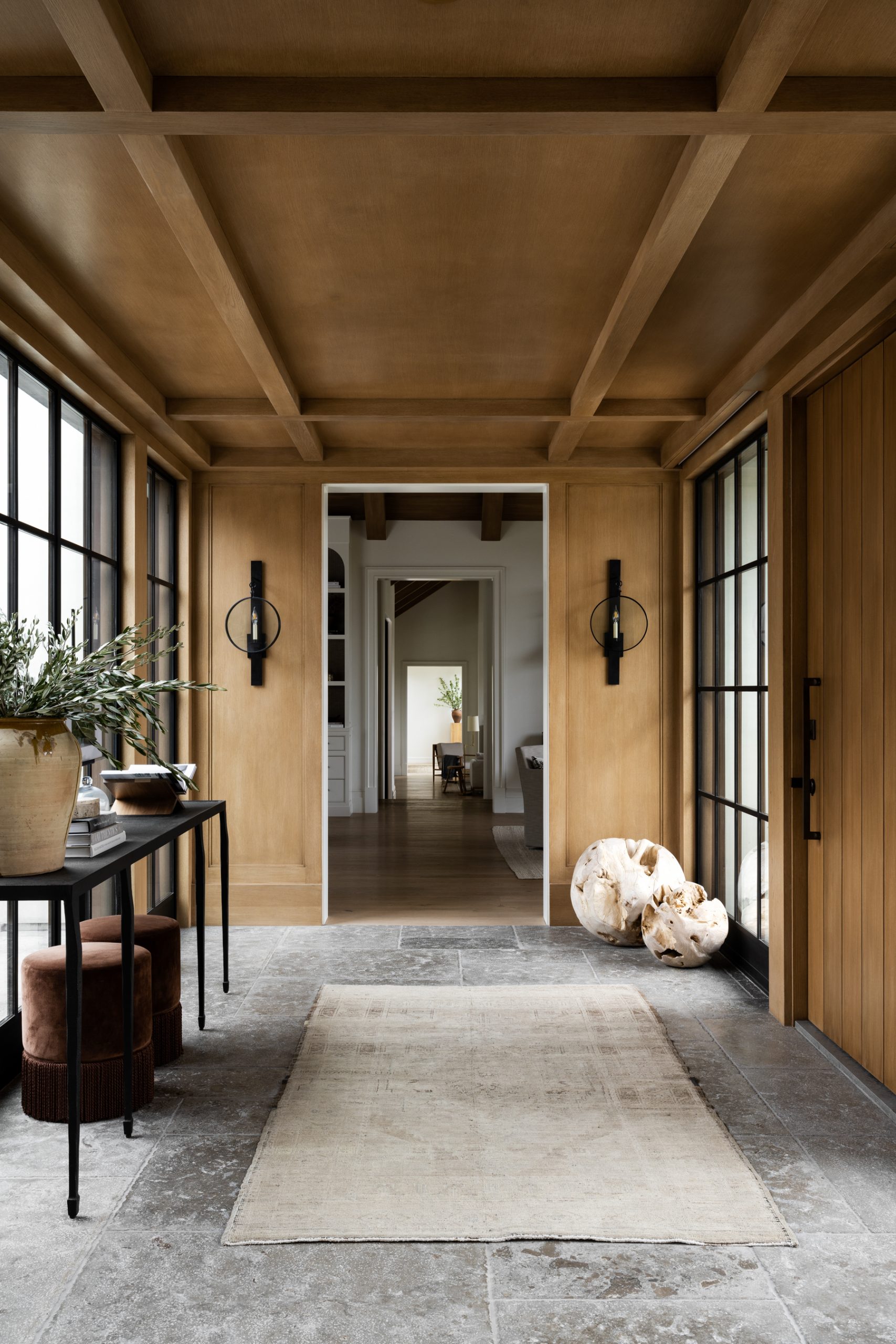
One of the easiest ways to introduce wood into your home is through flooring. Natural wood floors offer rich texture, warmth, and an organic aesthetic. The unique grain patterns in different types of wood—whether it’s the rich brown tones of walnut, the honey hues of oak, or the golden tones of ash—create visual depth that contrasts beautifully with other materials.
Wooden wall panels are another great way to add both texture and depth. Consider installing reclaimed wood as an accent wall in your living room, or use vertical wood slats in the hallway to elongate the space. The lines of the wood naturally draw the eye upward, creating the illusion of a larger and more expansive room.
Wood Furniture and Accents
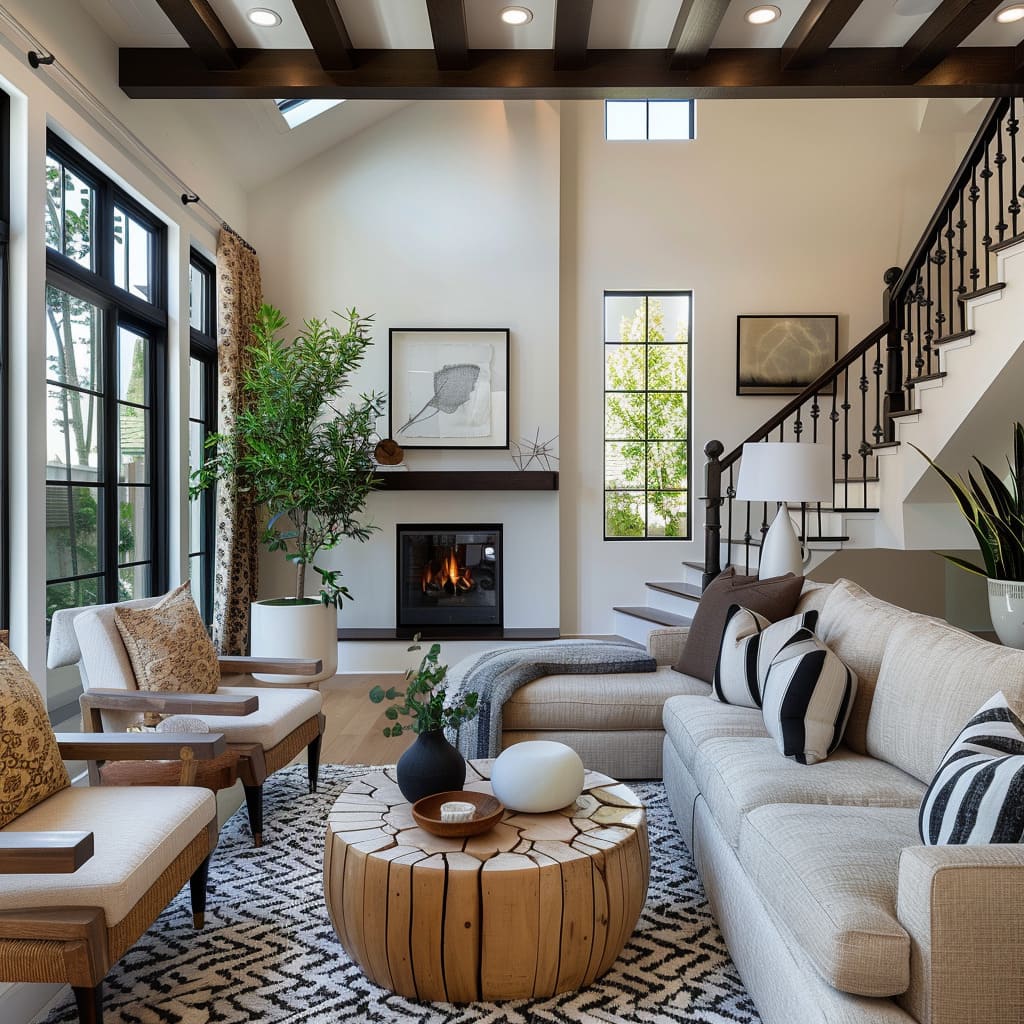
Incorporating natural wood furniture—whether it’s a rustic wooden dining table, a mid-century modern bookshelf, or a minimalist wooden coffee table—adds both functional value and visual interest. The beauty of wood lies in its ability to complement virtually any other material, from metals and glass to textiles and ceramics.
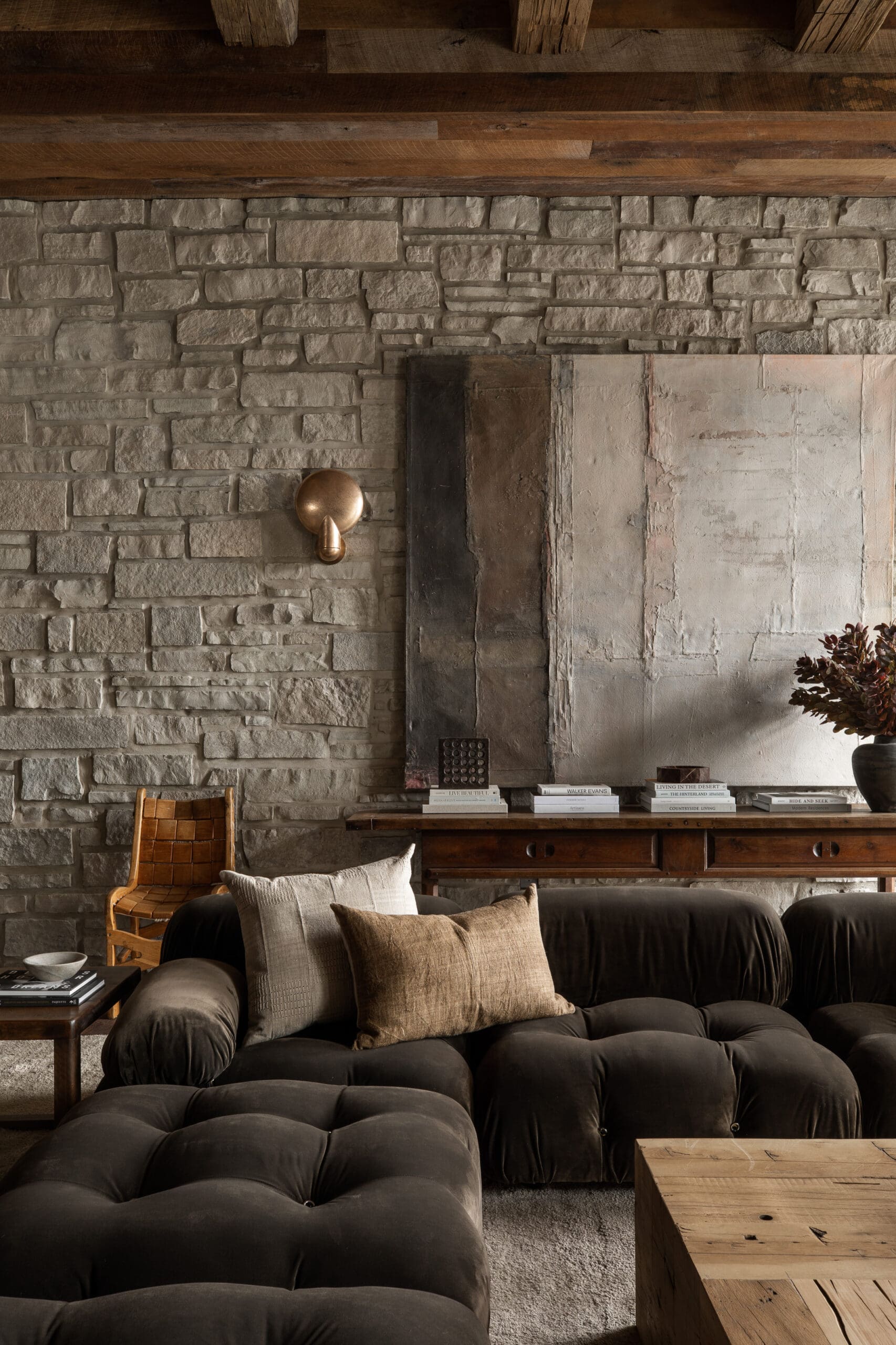
To create added texture and depth, try mixing different types of wood in your furniture and decor. For example, pair a rough-hewn wooden coffee table with a smooth, polished wooden sideboard. This contrast in finishes will create a multi-layered look that adds richness and variety to your space.
Wood in Decorative Details
Wood doesn’t have to dominate a room to have a major impact. Small wooden accents—such as picture frames, shelving brackets, or wooden sculptures—can make a subtle but significant contribution to the overall texture of the space. Don’t be afraid to mix wood with other natural materials like stone or textiles to create a balanced, organic feel.
Source: Amber Interior Design
Stone: Adding Earthy Texture and Contrast
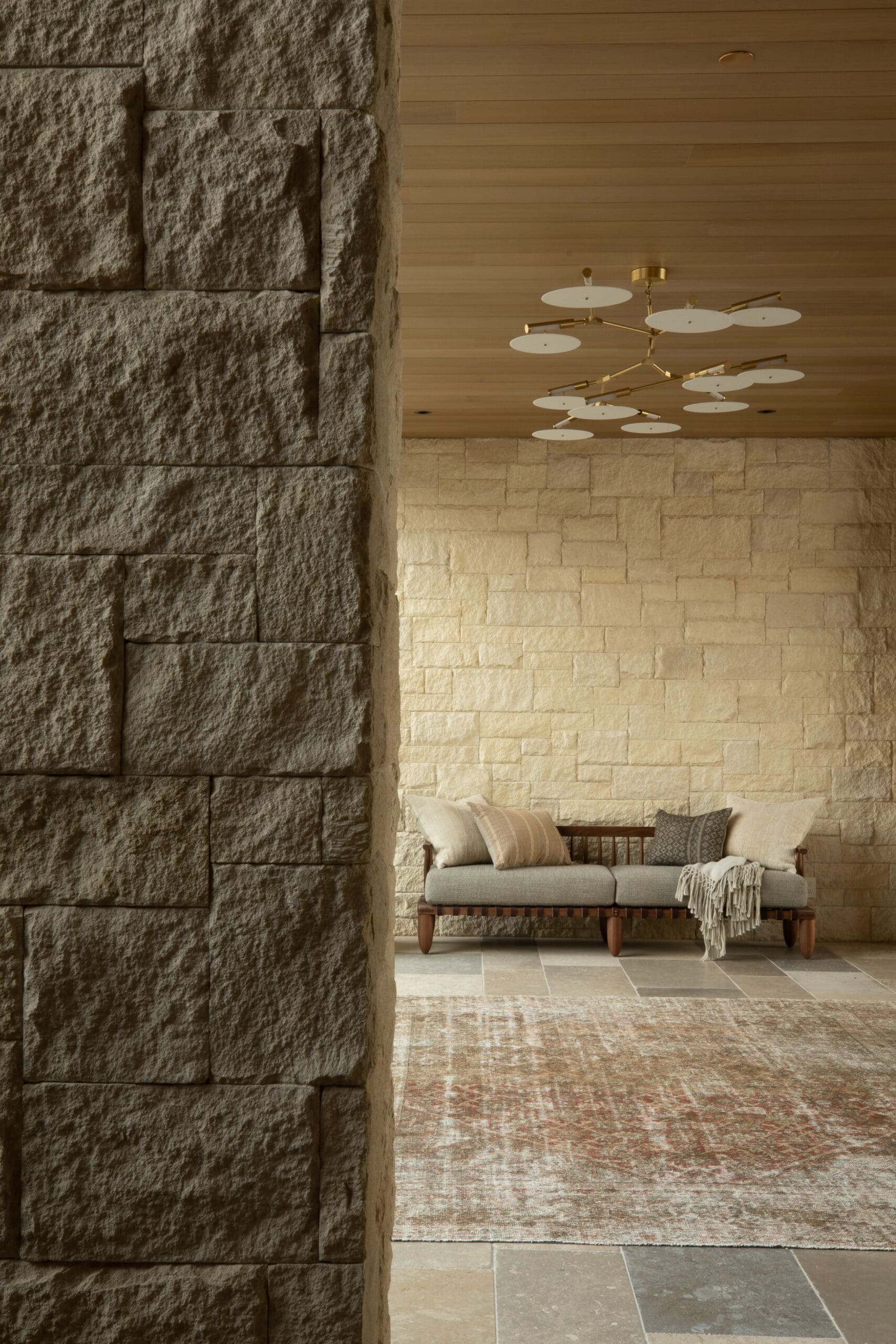
Stone is another natural material that can transform a room with its rich texture and visual depth. Whether it’s used for floors, countertops, or decorative elements, stone’s natural patterns and tactile surfaces create contrast and depth, especially when paired with softer materials like fabrics and woods.
Stone Flooring
Stone flooring adds a timeless, earthy texture to your space. Materials like slate, travertine, or marble can be used in kitchens, bathrooms, or even living rooms to provide a luxurious yet grounded feel. The natural veining and color variations in stone give it visual depth, making the space feel rich and dynamic.
Stone Countertops and Backsplashes
In the kitchen or bathroom, stone countertops are a fantastic way to introduce both functionality and style. Marble, granite, and soapstone countertops offer a natural, textural finish that adds sophistication and visual interest. A stone backsplash behind your sink or stove can also serve as a focal point in the kitchen, with the natural variations in color creating a one-of-a-kind look.
Stone Accent Walls
If you’re looking to add depth to your living room or bedroom, consider using stone for an accent wall. A stone feature wall adds architectural interest and becomes the room’s focal point. Whether you opt for a rough, exposed stone wall for a more rustic feel, or polished marble tiles for a sleek, modern vibe, stone will create both visual and physical texture in the space.
Stone Decor Elements
For a more subtle incorporation of stone, consider using decorative items like stone vases, sculptures, or trays. These smaller pieces help add texture to your home without overwhelming the space. The tactile quality of stone objects invites touch and interaction, adding another layer of sensory appeal to the room.
Source: Amber Interior Design
Natural Fabrics: Soft Textures with Depth
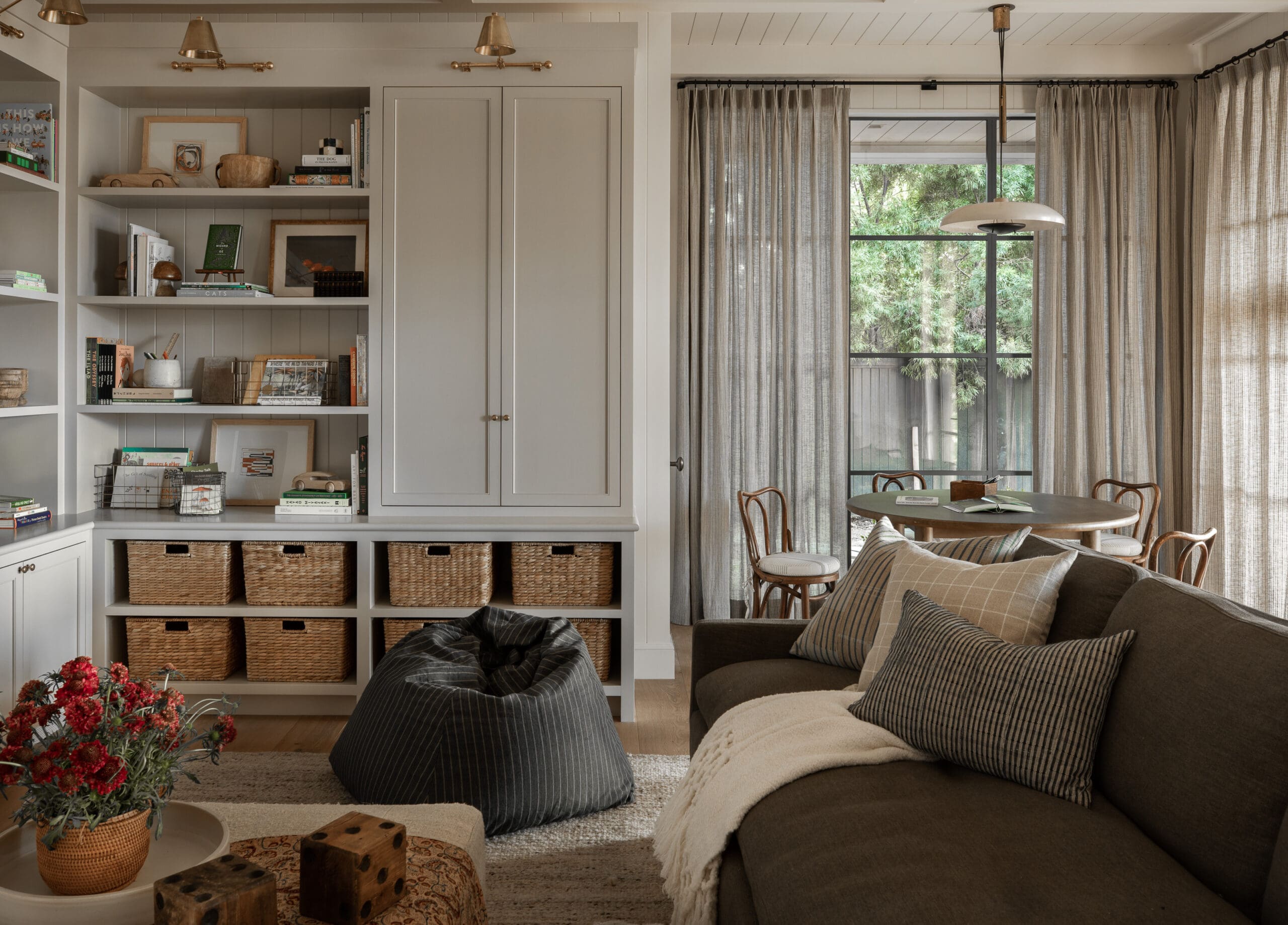
Natural fabrics such as linen, cotton, wool, and hemp have an incredible ability to bring both comfort and texture into your home. These materials can be used in furniture upholstery, textiles, and decorative accessories to create depth through layering.
Linen and Cotton Upholstery
Linen is a lightweight, breathable fabric made from the flax plant, and it has a distinct texture that makes it feel rustic yet refined. Use linen for soft furnishings like sofas, armchairs, or throw pillows to add a natural texture that feels both casual and luxurious. Linen’s slightly wrinkled appearance adds dimension and a sense of ease to a space.
Cotton, especially organic cotton, is another versatile and natural fabric that can bring texture to your interiors. Opt for cotton slipcovers or curtains for a relaxed, lived-in look that adds visual softness to the room. The natural weave of cotton offers a subtle yet effective way to create depth and contrast against harder materials like wood or stone.
Wool Textiles
Wool is another fantastic fabric for adding depth and texture, especially in colder climates. Wool rugs, throws, and cushions provide tactile comfort and warmth, while their natural patterns and textures bring richness to your space. The slight variation in color and texture between different wool fibers gives the material a dynamic, multi-layered look.
Wool can also be used for wall hangings or tapestries, which can help break up large blank walls and add dimension to your rooms. The softness and tactile appeal of wool make it a great option for creating contrast with more rigid materials like metal or glass.
Hemp and Jute
Hemp and jute are durable, sustainable natural fibers that offer a rustic, earthy texture. These materials are perfect for rugs, baskets, and cushions. Jute rugs, with their coarse texture, bring an organic feel to your floors and can be used to create a natural, grounded look in living rooms, bedrooms, or entryways.
Source: Amber Interior Design
Cork: Sustainable and Textured
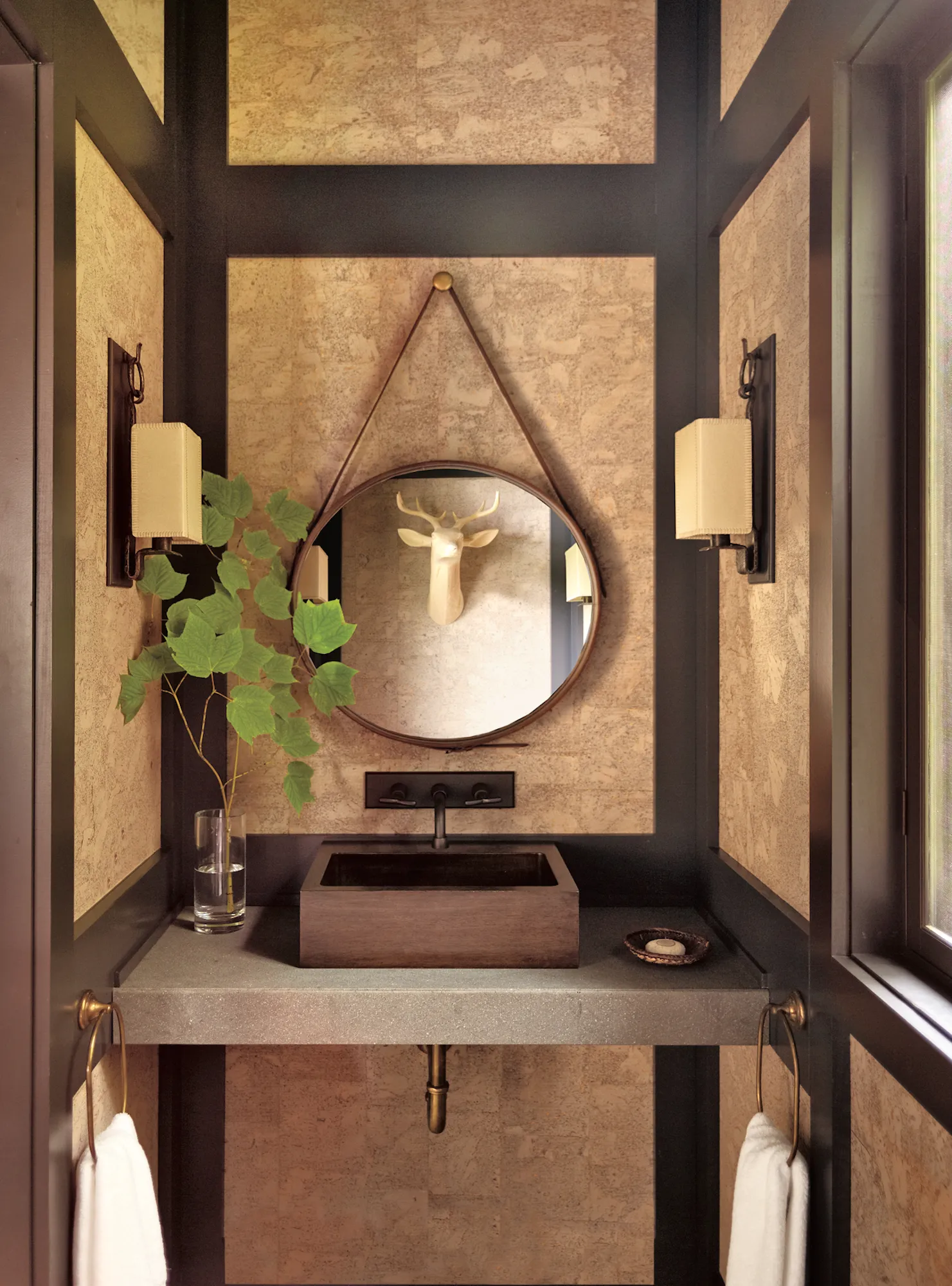
Cork is an often overlooked natural material, but it’s one that can add both visual interest and physical texture to your space. Made from the bark of cork oak trees, cork is renewable, sustainable, and surprisingly versatile in interior design.
Cork Flooring
Cork flooring is an excellent choice for creating a warm, inviting, and textured surface underfoot. Its natural pattern and slightly spongy feel add both depth and comfort to a room. Cork’s subtle texture works well in living rooms, bedrooms, and even home offices.
Cork Furniture and Accents
Incorporating cork into furniture or accessories is another way to add texture to your home. Cork stools, chairs, or side tables can serve as both functional and stylish pieces that introduce a natural, organic element. You can also find cork in lampshades, pinboards, and wall art, which all bring subtle texture without overwhelming the space.
Cork Wall Panels
Cork wall panels are a great way to create a feature wall or accent area. The material’s warmth and natural texture make it a unique choice for home offices, bedrooms, or living rooms. Cork wall panels provide a soft, acoustic quality that can help with sound insulation while adding depth and richness to your walls.
Source: Architectural Digest
Adding Greenery: Living Texture and Depth
No list of natural materials would be complete without mentioning plants. Greenery introduces life, texture, and depth to a space, making it feel more vibrant and connected to nature.
Indoor Plants
Indoor plants like ferns, succulents, and fiddle-leaf figs can be placed in decorative planters made of natural materials like ceramic, wood, or woven baskets. The contrasting textures of the plants’ leaves and the containers they’re placed in help to create a sense of depth and layering in your home. Additionally, the ever-changing nature of plants adds movement and growth to the space, further enhancing its depth.
Living Walls
For a more dramatic effect, consider installing a living wall—an indoor vertical garden that incorporates natural plants into your home’s design. A living wall adds texture, color, and a dynamic element to any room, creating a stunning focal point that breathes life into your space.
Source: Fancy House Interior Design
Talk to you later, friends!

PS Do you use texture in your home to create a vibe? Share a photo with us! Tag us @thestillinterior
Is your SPACE ready for a CHANGE?
The Still Interior is here to help. We will put methods in place to keep your home looking beautiful, and most importantly functional for your lifestyle.