

When it comes to creating a space that feels truly special and inviting, it’s the small details that make all the difference. Legendary designer Charles Eames once said, “The details are not the details. They make the design.” This quote perfectly encapsulates why attention to detail is so crucial in interior design. While sweeping elements like color schemes, furniture choices, and layouts create the canvas of a room, it’s the subtler touches that breathe life into that canvas and create a masterpiece.
In this post, we’ll explore how focusing on the small details in your home can elevate your design and make a significant impact. From decorative elements to functional features, here’s how the little things come together to make a big difference.

Source: Armac Martin
Hardware: The Jewelry of Your Home
Think of cabinet handles, drawer pulls, and doorknobs as the jewelry that adds a final flourish to an outfit. Swapping out standard hardware for unique or high-quality pieces can make a piece of furniture or a room feel custom and sophisticated. Whether you opt for vintage brass handles, sleek matte black pulls, or crystal knobs, the right hardware can tie together various elements of the space.
Tip: For a cohesive look, choose hardware that complements other finishes in the room, like light fixtures or faucets.
Trim and Molding for Added Character
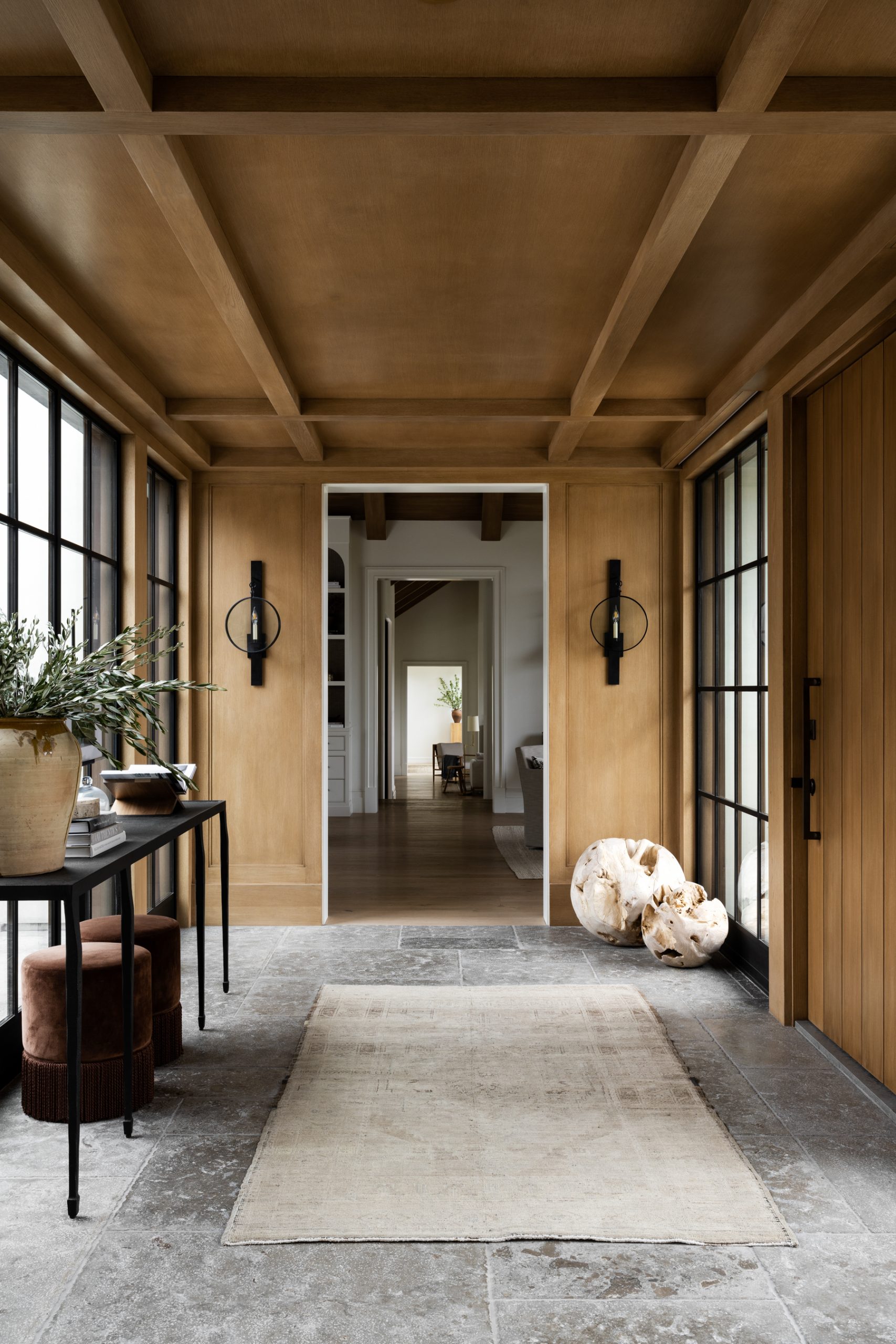
Baseboards, crown molding, and window casings may not be the first thing you notice in a room, but they make a subtle yet impactful difference. Adding detailed trim or molding can elevate a plain wall and give it a more finished, high-end appearance. If you’re feeling bold, painting the trim in a contrasting color can add visual interest and make your space feel unique.
Friendly advice: Don’t underestimate the power of wainscoting or beadboard for adding texture and charm to a dining room or entryway.
Source: Amber Interiors
Textiles: The Soft Touch
Pillows, throws, and curtains might seem like mere accessories, but they contribute significantly to a room’s comfort and style. Imagine a living room with a beautiful couch—without pillows or a throw, it might look stiff or incomplete. Carefully chosen textiles can introduce texture, color, and pattern, making the room feel layered and cozy.
Pro tip: Opt for high-quality fabrics, like linen, cotton, or wool, for a luxurious touch. Mixing textures—such as pairing a chunky knit throw with silk or velvet pillows—adds depth to your design.
Lighting: The Perfect Glow
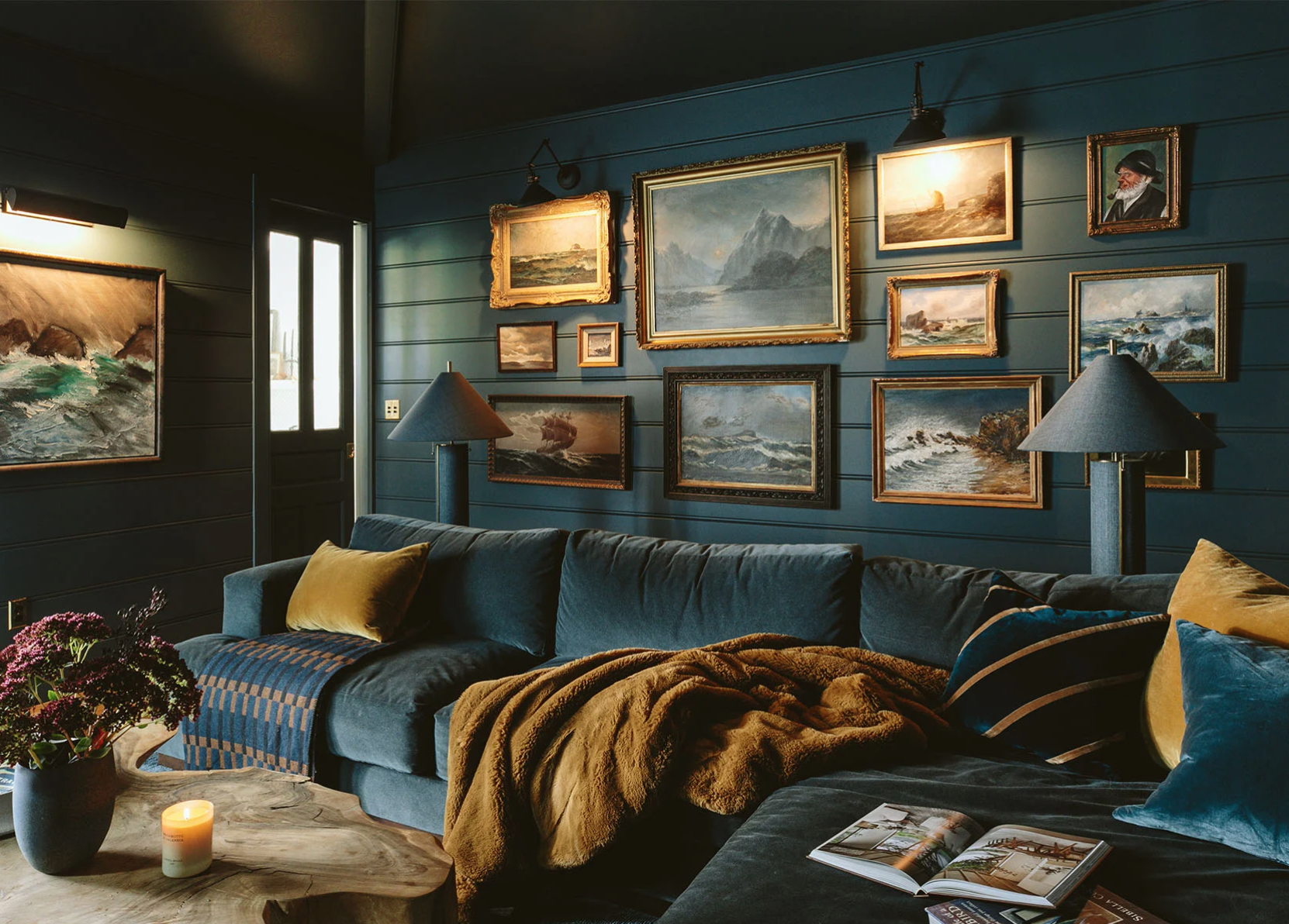
Lighting is often described as the “mood-maker” of a space. While the main light fixture sets the tone, it’s the secondary sources that add layers and create ambiance. Table lamps, wall sconces, and under-cabinet lighting can make a space feel warm and inviting. Even the choice of light bulbs—soft white, daylight, or vintage Edison—can change the entire atmosphere of a room.
Design insight: Dimmer switches are a simple but powerful tool for adjusting light levels throughout the day, perfect for creating the right ambiance for any occasion.
Source: Emily Henderson Design
Art and Accessories: The Personal Touch
Art and decorative objects infuse a space with personality. Whether you’re displaying a collection of vintage finds, family photos, or a striking piece of modern art, what you choose to adorn your walls and shelves tells a story. Small sculptures, vases, and decorative trays can bring interest and character to side tables or bookshelves.
Quick tip: Grouping accessories in odd numbers—threes or fives—helps create a more visually appealing display. Varying heights and textures in your arrangement keeps it dynamic and interesting.
Functional Details: Beauty in Utility
Functional elements like switch plates, electrical outlets, and air vents are often overlooked, but updating them can contribute to a polished look. Switching to decorative or custom covers in a finish that matches your other hardware or even painting them to blend seamlessly with the wall can make a surprising difference.
Fun idea: In a room with a minimalist aesthetic, small details like hidden power outlets or USB charging stations built into furniture can keep the space looking clean and uncluttered.

Source: Meg McSherry
The Power of Greenery
Adding plants or fresh flowers to a room is one of the simplest ways to introduce life and color. Whether it’s a large statement fiddle-leaf fig or a small cluster of succulents, greenery brings a touch of nature that softens a space and makes it feel more welcoming.
Designer’s note: Choose planters that fit the overall theme of your space—whether ceramic, woven baskets, or sleek metal pots—to reinforce your design aesthetic.
Scent as a Design Element
It might not be visual, but scent is an integral part of how we experience a space. Candles, diffusers, or fresh bouquets can add a subtle fragrance that makes your home inviting and memorable. Choose scents that match the mood you’re going for: lavender for relaxation, citrus for energy, or vanilla for a warm, cozy feel.
Friendly suggestion: Rotate your scents seasonally to keep your space feeling fresh and current.

Source: Jaimie Baird
Layering Rugs for Visual Interest
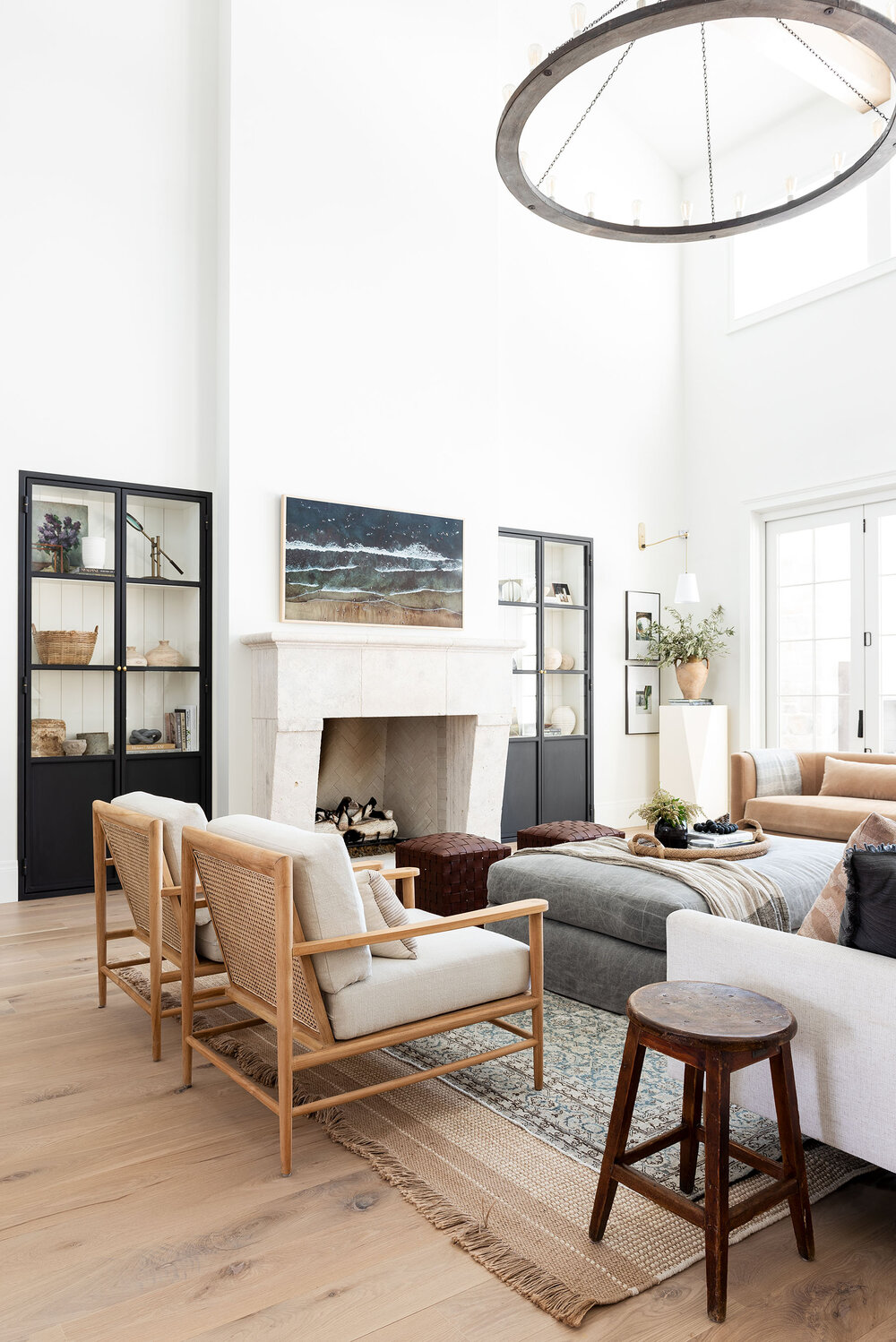
One often overlooked detail is the strategic use of rugs. Layering a smaller, textured rug over a larger, neutral one can add depth and character. This technique works especially well in living rooms and bedrooms to define specific areas or add a touch of luxury.
Insider trick: When layering rugs, play with contrasting textures, such as a jute base layer with a softer wool or patterned rug on top.
Wall Details Beyond Paint
If your walls are just painted, you might be missing out on an opportunity to add subtle elegance. Consider adding wallpaper, even in small doses, like on a single accent wall or inside bookshelves. Alternatively, textured wall panels or fabric wall hangings can create a focal point without taking over the room.
Fun inspiration: Designers like Amber Interiors often incorporate tactile elements on walls to create visual interest without overwhelming the space.
Source: Studio McGee
Wrapping It Up: The Sum of the Parts
Every detail, no matter how small, contributes to the overall feel of a room. These elements work together to create a cohesive, welcoming, and personalized space that reflects who you are. In the words of Charles Eames, these are not mere details—they truly make the design.
So next time you’re updating your home, take a moment to focus on the little things: swap out that standard hardware, invest in some quality textiles, or add a new lamp to that overlooked corner. These small adjustments can create a big impact and make your home feel like it was designed just for you.
Talk to you later, friends!

PS Do you have a favorite design detail in your home? Share a photo with us! Tag us @thestillinterior
Is your SPACE ready for a CHANGE?
The Still Interior is here to help. We will put methods in place to keep your home looking beautiful, and most importantly functional for your lifestyle.